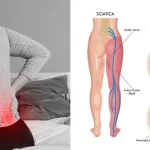

As we age, our body undergoes natural wear and tear, and the spine is one of the most affected areas. A degenerative spine refers to age-related changes in the spinal discs, joints, and bones that may lead to chronic pain, stiffness, and nerve compression. Though commonly seen in older adults, degenerative spine problems are now increasingly affecting younger individuals due to sedentary lifestyles and poor posture.
Early diagnosis and proper treatment can significantly improve quality of life and prevent long-term complications.
What Is a Degenerative Spine?
Degenerative spine conditions develop when the intervertebral discs lose hydration and elasticity, and the facet joints undergo arthritic changes. Over time, this leads to disc collapse, reduced flexibility, and sometimes pressure on spinal nerves.
Common degenerative spine conditions include:
- Degenerative Disc Disease
- Cervical and Lumbar Spondylosis
- Spinal Stenosis
- Slip Disc
- Facet Joint Arthritis
Why Should Degenerative Spine Not Be Ignored?
Ignoring spine degeneration can result in:
- Progressive and chronic back or neck pain
- Reduced mobility and flexibility
- Nerve compression causing numbness or weakness
- Difficulty walking or standing
- Poor posture and spinal imbalance
Early medical attention can slow the progression and avoid the need for major surgery.
Common Causes of Degenerative Spine
Degenerative changes may occur due to:
- Natural aging process
- Poor posture and long working hours
- Lack of physical activity
- Obesity and weak core muscles
- Repetitive strain or heavy lifting
- Previous spine injuries
Symptoms of Degenerative Spine
Symptoms vary depending on the affected area and severity:
- Persistent neck or lower back pain
- Morning stiffness
- Pain radiating to arms or legs
- Tingling or numbness
- Muscle weakness
- Reduced range of motion
⚠️ Symptoms that worsen over time should be evaluated by a spine specialist.
How Is Degenerative Spine Diagnosed?
Accurate diagnosis is essential for effective treatment. Dr. Nitish Agrawal, a leading spine surgeon in Pune, uses:
- Detailed clinical examination
- X-rays to assess alignment and degeneration
- MRI scans to evaluate discs and nerve compression
- CT scans in advanced or complex cases
Treatment Options for Degenerative Spine
Non-Surgical Treatment
Most patients improve with conservative care such as:
- Pain-relief and anti-inflammatory medications
- Physiotherapy and spine-strengthening exercises
- Posture correction and ergonomic advice
- Lifestyle modification and weight management
Minimally Invasive Spine Surgery
If symptoms persist despite conservative treatment, advanced techniques such as minimally invasive or endoscopic spine surgery may be recommended. These procedures offer:
- Smaller incisions
- Less pain
- Faster recovery
- Early return to daily activities
Surgical Treatment
Surgery is considered only when there is:
- Severe nerve compression
- Progressive weakness
- Spinal instability
How to Prevent Degenerative Spine Problems?
While aging cannot be stopped, spine degeneration can be slowed by:
- Maintaining proper posture
- Regular exercise and stretching
- Strengthening core muscles
- Avoiding prolonged sitting
- Maintaining a healthy weight
Expert Care by Dr. Nitish Agrawal – Best Spine Surgeon in Pune
With extensive experience in managing degenerative spine conditions, Dr. Nitish Agrawal provides personalized treatment plans, focusing on pain relief, spinal stability, and long-term mobility using the latest spine care techniques.
When Should You See a Spine Specialist?
Consult a spine surgeon if:
- Pain lasts more than a few weeks
- Pain radiates to arms or legs
- Numbness or weakness develops
- Daily activities are affected
Conclusion
A degenerative spine is a common but treatable condition. Ignoring early symptoms may lead to long-term discomfort and disability. Timely diagnosis and expert care can help you stay active and pain-free.
Book a consultation with Dr. Nitish Agrawal – Best Spine Surgeon in Pune and take the first step toward better spine health.