
Degenerative Scoliosis & Severe Disc Degeneration
Understanding Degenerative Scoliosis & Severe Disc Degeneration
Adult Degenerative Scoliosis (ADS) occurs in older adults as a result of asymmetric degeneration of facet joints and intervertebral discs. This causes the spine to curve sideways and lose its normal sagittal curvature (flat-back syndrome). Patients suffer from both mechanical instability back pain and severe neurogenic claudication from secondary canal stenosis.
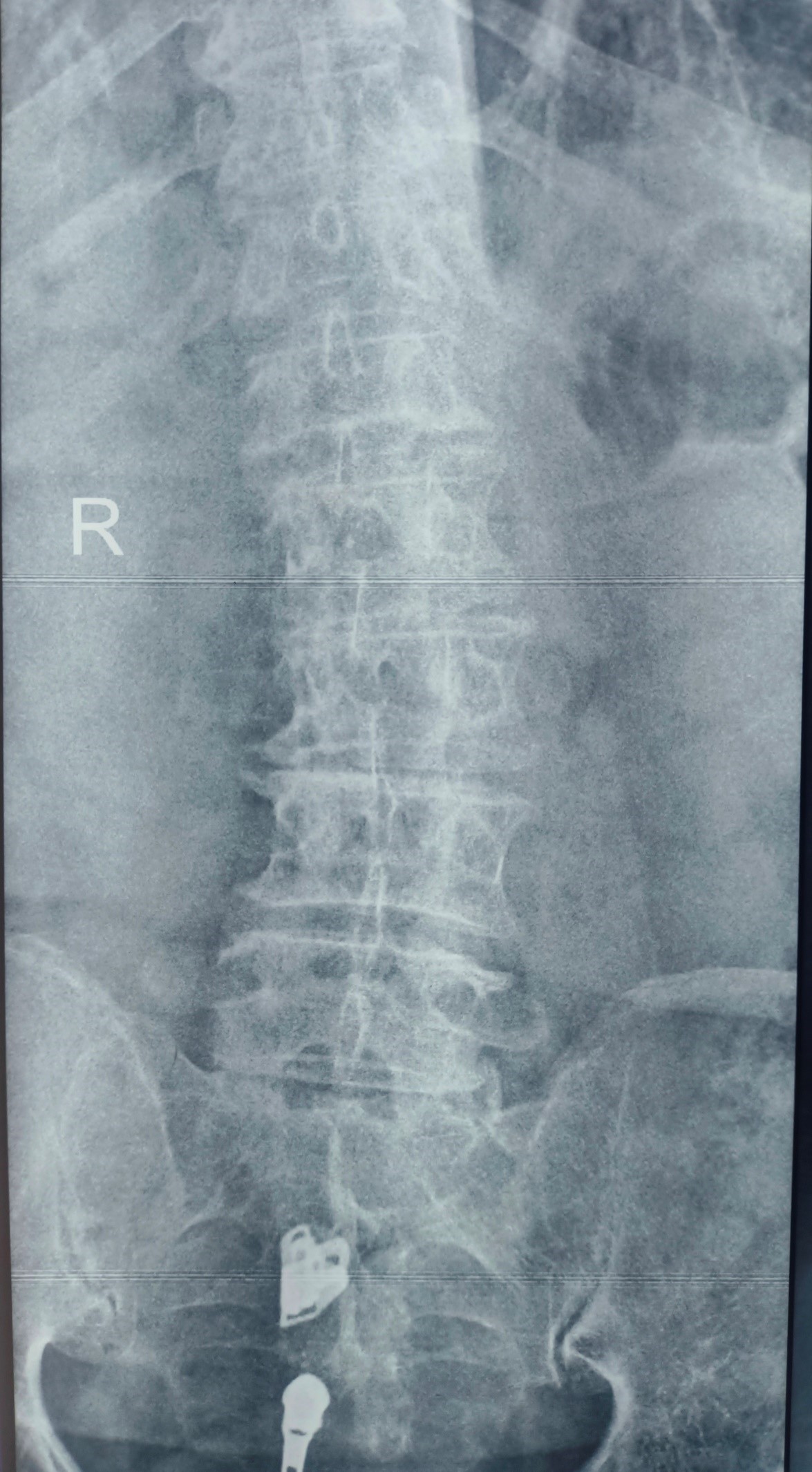
Common Signs & Symptoms
- Noticeable sideways curvature or postural tilt when standing
- Difficulty standing upright; progressive forward stoop (loss of lumbar lordosis)
- Severe fatigue and aching in back muscles after standing for 10-15 minutes
- Radiating pain, numbness, and burning down both legs due to nerve root pinching in the curve’s concavity
Primary Causes & Risk Factors
- Asymmetric multi-level disc dehydration and collapse
- Advanced facet joint osteoarthritis and ligamentous laxity
- Underlying osteoporosis exacerbating vertebral wedging
Diagnostic Evaluation by Dr. Nitish Agrawal
Conservative Options
- Intensive physical therapy emphasizing sagittal posture and core stabilizers
- Fluoroscopic facet and selective root blocks to manage acute pain flare-ups
- Medical management of osteoporosis
Minimally Invasive Surgery
- Limited minimally invasive decompression for elderly patients whose primary complaint is leg pain
- Complex adult deformity reconstruction: Multi-level interbody fusion (MIS-TLIF / OLIF) with pedicle screw instrumentation and osteotomies to restore normal spinal balance
Recovery & Rehabilitation Timeline
Modern deformity surgery utilizes neuromonitoring and robotic/fluoroscopic precision, enabling safe restoration of erect posture and active walking life.
Frequently Asked Questions
Is adult scoliosis surgery safe for patients over 65?
Yes. With modern minimally invasive techniques, cell-savers, and advanced intraoperative neuromonitoring, elderly patients can safely undergo targeted reconstruction with excellent outcomes.
Book Consultation
Consult Dr. Nitish Agrawal for Degenerative Scoliosis & Severe Disc Degeneration.