
Spine Fracture & Trauma Care
Understanding Spine Fracture & Trauma Care
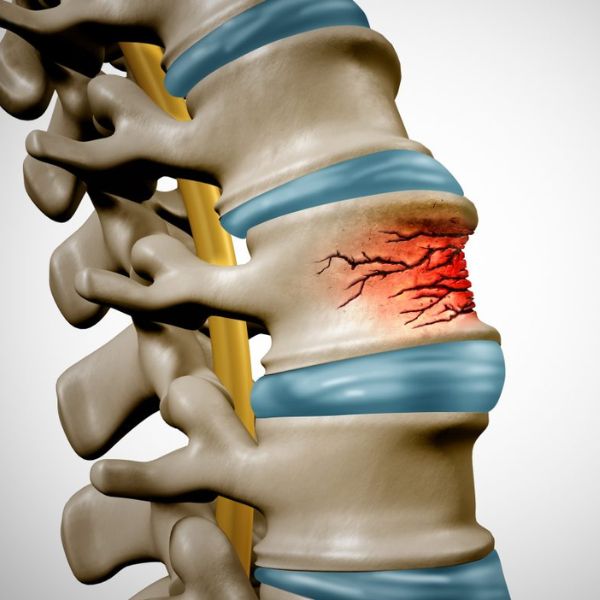
Spinal fractures range from painful osteoporotic compression fractures in senior citizens to complex high-velocity burst fractures, flexion-distraction injuries, and fracture-dislocations resulting from vehicular accidents or falls. Rapid stabilization is crucial to prevent secondary spinal cord damage and catastrophic permanent neurological injury.
Common Signs & Symptoms
- Sudden, intense localized spinal pain following a fall, accident, or even minor coughing in osteoporotic elderly
- Inability to sit upright, stand, or walk without extreme pain
- Loss of height and progressive forward stooping (kyphosis)
- Numbness, tingling, weakness, or complete paralysis below the level of the injury
- Loss of bowel or bladder control (in unstable fractures with canal compromise)
Primary Causes & Risk Factors
- Severe osteoporosis (fragility fractures with minimal or no trauma)
- Motor vehicle collisions, bike falls, and road traffic accidents
- Falls from height or industrial accidents
- Pathological fractures caused by underlying tumors or infections
Diagnostic Evaluation by Dr. Nitish Agrawal
Conservative Options
- Customized spinal orthoses (TLSO braces, Jewett braces) for stable compression fractures
- Comprehensive medical anti-osteoporosis therapy (Teriparatide, Bisphosphonates, Calcium/Vitamin D3)
Minimally Invasive Surgery
- Percutaneous Vertebroplasty / Balloon Kyphoplasty: 20-minute stitchless day-care procedure injecting bone cement to instantly freeze fracture pain and restore vertebral height
- Minimally Invasive Percutaneous Pedicle Screw Fixation: Stabilizes multi-column burst fractures without opening large incisions
Recovery & Rehabilitation Timeline
Following vertebroplasty, patients typically experience instantaneous pain relief and walk comfortably within 2 hours. Complex trauma patients benefit from our integrated inpatient rehabilitation program.
Frequently Asked Questions
Is bone cement safe for elderly patients with spinal fractures?
Yes, percutaneous vertebroplasty is exceptionally safe and is globally recognized as the treatment of choice for painful osteoporotic fractures that fail conservative bed rest.
Book Consultation
Consult Dr. Nitish Agrawal for Spine Fracture & Trauma Care.