
Sciatica / Lumbar Disc Prolapse Treatment
Understanding Sciatica / Lumbar Disc Prolapse Treatment
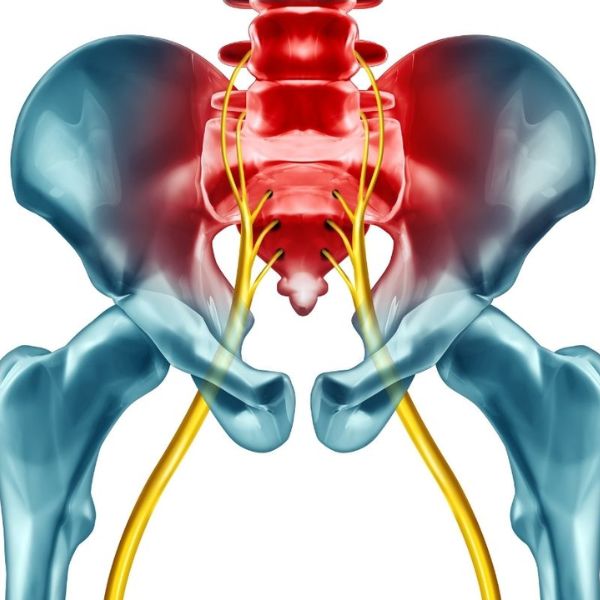
Sciatica refers to pain that radiates along the path of the sciatic nerve—which branches from your lower back through your hips and buttocks and down each leg. Typically, sciatica affects only one side of your body. The most common cause is a herniated or slipped lumbar intervertebral disc (usually at L4-L5 or L5-S1) pressing on the nerve root. Dr. Nitish Agrawal utilizes advanced microscopic and endoscopic discectomy techniques to decompress the trapped nerve with minimal tissue trauma.
Common Signs & Symptoms
- Shooting, burning, or sharp pain starting in the lower back and traveling down the buttock into the calf and foot
- Numbness, tingling, or "pins and needles" in the toes or foot
- Muscle weakness in the leg or foot, difficulty lifting the toes or walking on heels
- Pain that intensifies when coughing, sneezing, bending, or prolonged sitting
Primary Causes & Risk Factors
- Lumbar disc herniation or extrusion compressing the L4, L5, or S1 nerve roots
- Age-related annular tear and nucleus pulposus extrusion
- Lifting heavy objects with poor ergonomics or sudden spinal flexion
- Sedentary lifestyle and obesity weakening lumbar spinal musculature
Diagnostic Evaluation by Dr. Nitish Agrawal
Conservative Options
- Short rest period followed by customized directional exercises (McKenzie therapy)
- Anti-inflammatory medications, muscle relaxants, and nerve stabilization agents
- Targeted transforaminal epidural root block for acute refractory episodes
Minimally Invasive Surgery
- Microscopic Lumbar Discectomy (Microdiscectomy): Gold standard procedure performed through a tiny 1-inch incision using high-magnification surgical microscope, removing only the offending fragment while leaving the healthy disc intact
- Full Endoscopic Lumbar Discectomy (PELD): Ultra-minimally invasive stitchless surgery under local anesthesia
Recovery & Rehabilitation Timeline
Because muscles are split gently rather than cut, patients experience minimal post-operative soreness. Patients walk within 4–6 hours post-surgery and typically return home the next morning.
Frequently Asked Questions
What is the recovery time after microdiscectomy?
Most patients are discharged within 24 hours and can walk comfortably immediately. Desk work can be resumed in 10-14 days; active sports and heavy gym training are resumed after 8-12 weeks.
Can a slipped disc recur after surgery?
Recurrence rates with modern microscopic techniques are very low (around 3-5%). Maintaining core muscle tone and good ergonomics virtually eliminates recurrence risk.
Book Consultation
Consult Dr. Nitish Agrawal for Sciatica / Lumbar Disc Prolapse Treatment.