
Spine Tumor & Oncology Care
Understanding Spine Tumor & Oncology Care
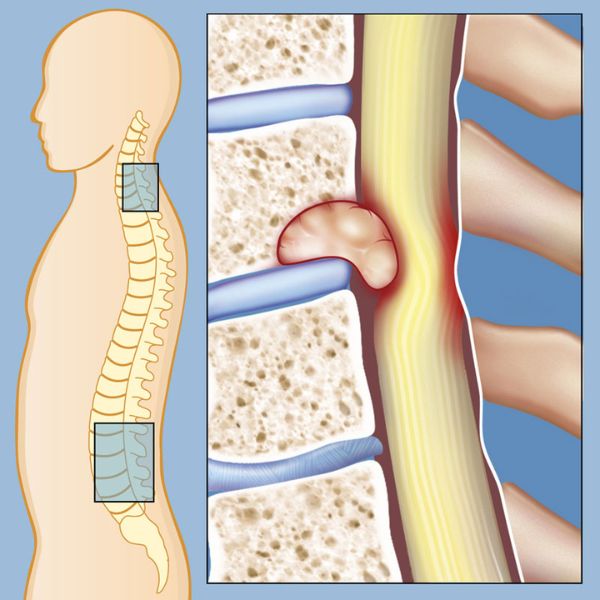
Spine tumors can be primary (originating in spinal bones, discs, nerves, or spinal cord) or metastatic (spreading from other cancers such as breast, lung, prostate, kidney, or myeloma). Dr. Nitish Agrawal coordinates multidisciplinary oncological care to relieve intractable pain, decompress neural structures, and reconstruct structural spinal integrity.
Common Signs & Symptoms
- Unrelenting spinal pain that is not relieved by bed rest and frequently wakes the patient from sleep at night
- Rapidly progressing neurological deficit or numbness in extremities
- Pathological fracture following trivial motion
- Weight loss, fatigue, and systemic oncology signs
Primary Causes & Risk Factors
- Metastatic spread from primary carcinomas
- Primary benign tumors (Schwannoma, Meningioma, Hemangioma, Osteoid Osteoma)
- Primary malignant tumors (Chordoma, Chondrosarcoma, Multiple Myeloma)
Diagnostic Evaluation by Dr. Nitish Agrawal
Conservative Options
- Radiation therapy (Stereotactic Body Radiotherapy - SBRT)
- Targeted chemotherapy and immunotherapy coordinated with medical oncologists
- Bisphosphonates / Denosumab for bone stabilization
Minimally Invasive Surgery
- Separation Surgery & Minimally Invasive Decompression to create a safe corridor for radiotherapy
- En-bloc Spondylectomy for curative resections in primary tumors
- Palliative Vertebroplasty / Cement augmentation for osteolytic metastases
Recovery & Rehabilitation Timeline
Modern palliative spine surgery focuses on immediate pain relief and restoring independent mobility, dramatically improving the quality of life for oncology patients.
Frequently Asked Questions
What is the goal of surgery in metastatic spine cancer?
The main objectives are to preserve the patient’s ability to walk, eliminate unbearable pain, and provide spinal stability so the patient can tolerate chemotherapy and radiation comfortably.
Book Consultation
Consult Dr. Nitish Agrawal for Spine Tumor & Oncology Care.