
Spinal Canal Stenosis
Understanding Spinal Canal Stenosis
Spinal Canal Stenosis is a narrowing of the spaces within your spine (vertebral canal), which can put excessive pressure on the spinal cord and nerves that travel through the spine. It occurs most often in the lower back (lumbar stenosis) and the neck (cervical stenosis). As wear and tear narrows the spinal canal, patients frequently experience neurogenic claudication—severe calf cramp, aching, and numbness that forces them to stop and sit after walking just a few hundred meters.
Common Signs & Symptoms
- Pain, numbness, or cramping in one or both legs when walking or standing for prolonged periods (Neurogenic Claudication)
- Relief from leg pain upon sitting down or bending forward (shopping cart sign)
- Weakness in the legs or feet ("foot drop" in severe presentations)
- Persistent lower back pain or buttock ache
- Loss of balance and frequent tripping
- In severe cervical cases: clumsiness of hands, difficulty buttoning shirts or writing
Primary Causes & Risk Factors
- Age-related degenerative changes and osteoarthritis of facet joints
- Thickening and hypertrophy of the ligamentum flavum
- Bulging, herniated, or dehydrated intervertebral discs
- Spondylolisthesis (slippage of one vertebra over another)
- Spinal trauma or previous surgical scar tissue
Diagnostic Evaluation by Dr. Nitish Agrawal
Conservative Options
- Targeted core-strengthening physical therapy and flexion-based exercises
- Non-steroidal anti-inflammatory medications (NSAIDs) and neurotrophic agents
- Fluoroscopy-guided Caudal Epidural Injections or Selective Transforaminal Nerve Root Blocks for targeted anti-inflammatory relief
Minimally Invasive Surgery
- Minimally Invasive Lumbar Decompression (Laminectomy / Hemilaminectomy) under operating microscope
- Microscopic bilateral canal decompression through a unilateral muscle-splitting approach
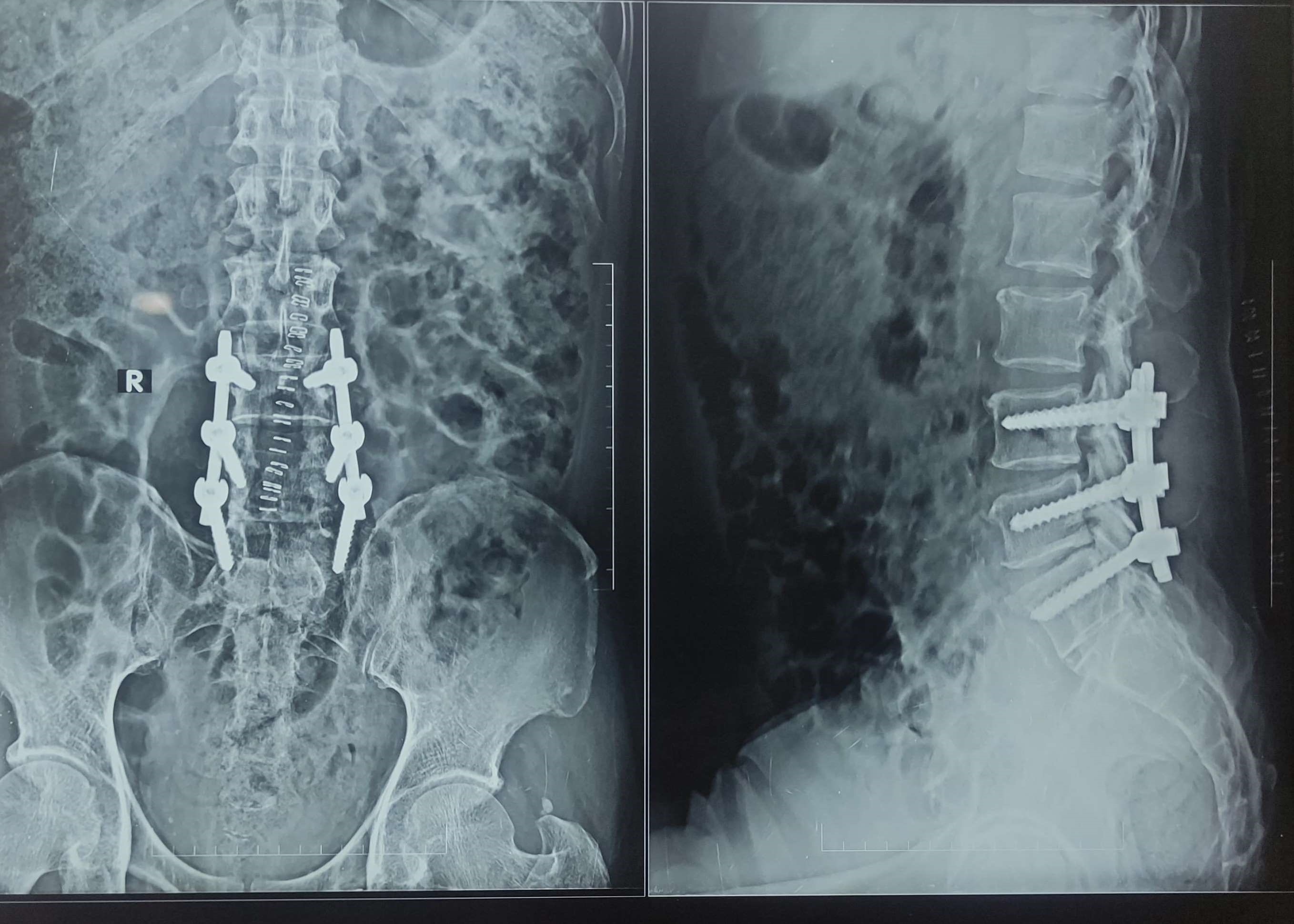
- Spinal Fixation and Fusion (MIS-TLIF) when associated with instability or spondylolisthesis
Recovery & Rehabilitation Timeline
Patients are mobilized out of bed and walking with physiotherapist assistance within 24 hours of surgery. Most patients return to desk-based work within 2 to 3 weeks and achieve full recovery within 8 to 12 weeks with customized rehab.
Frequently Asked Questions
Can spinal stenosis get better without surgery?
Mild to moderate stenosis often responds very well to medication, physical therapy, and selective epidural steroid injections. Surgery is only considered when severe nerve compression causes progressive weakness or significantly restricts your walking distance.
How long will I need to stay in the hospital after stenosis decompression?
For minimally invasive microscopic decompression, hospital stay is typically only 1 to 2 days.
Book Consultation
Consult Dr. Nitish Agrawal for Spinal Canal Stenosis.