
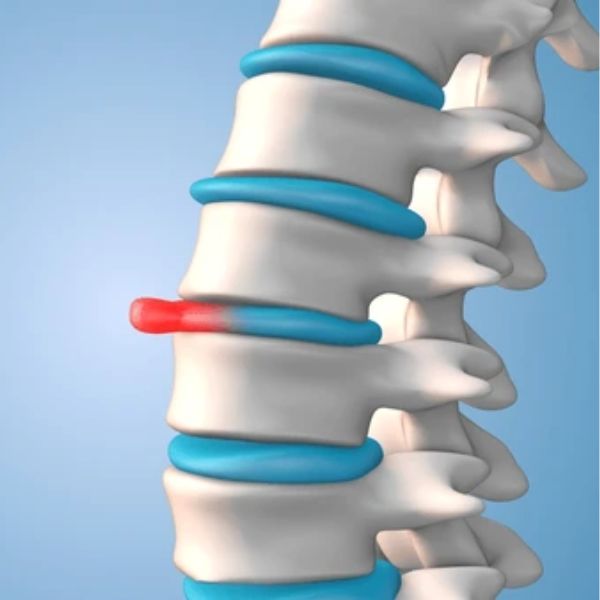
"Slip disc" and "Sciatica" are two of the most frequently searched spine conditions. Yet, few patients understand that the disc does not actually "slip" out of place—rather, its soft inner gelatinous nucleus herniates through a tear in the tough outer annulus, pressing against adjacent spinal nerve roots.
Why Does a Slipped Disc Cause Leg Pain?
The sciatic nerve is the longest and thickest nerve in the human body. Originating from lumbar spinal roots L4, L5, S1, S2, and S3, it travels deep through the buttocks down each leg to the tips of the toes. When a herniated disc presses on one of these roots:
- Mechanical Compression: Physical pressure restricts blood flow to the nerve fibers, generating sharp pain and numbness.
- Chemical Radiculitis: The leaking inner disc fluid is packed with inflammatory cytokines and enzymes that trigger intense chemical inflammation along the entire nerve pathway.
Common Symptoms of Sciatica
- Sharp, shooting, or electric-shock-like pain that travels down one leg below the knee
- Pins-and-needles sensation, tingling, or numbness in the foot or toes
- Pain that worsens upon sitting, coughing, or sneezing
- Weakness in lifting the foot upward (Foot Drop)
Treatment Options at Agarwal Spine Clinic
Step 1: Conservative & Non-Surgical Care (First Line): Short rest period, non-steroidal anti-inflammatories, neurotrophic vitamins, and guided physical therapy. For severe acute pain, fluoroscopy-guided Transforaminal Selective Nerve Root Block (SNRB) delivers potent anti-inflammatory medication directly to the compressed nerve, resolving symptoms in up to 85% of cases.
Step 2: Microscopic Lumbar Discectomy (When Indicated): If severe pain persists beyond 6 weeks or motor weakness develops, Dr. Nitish Agrawal performs microscopic discectomy through a 1-inch incision. Using a Carl Zeiss operating microscope, only the offending disc fragment is removed, freeing the nerve with minimal tissue disruption.
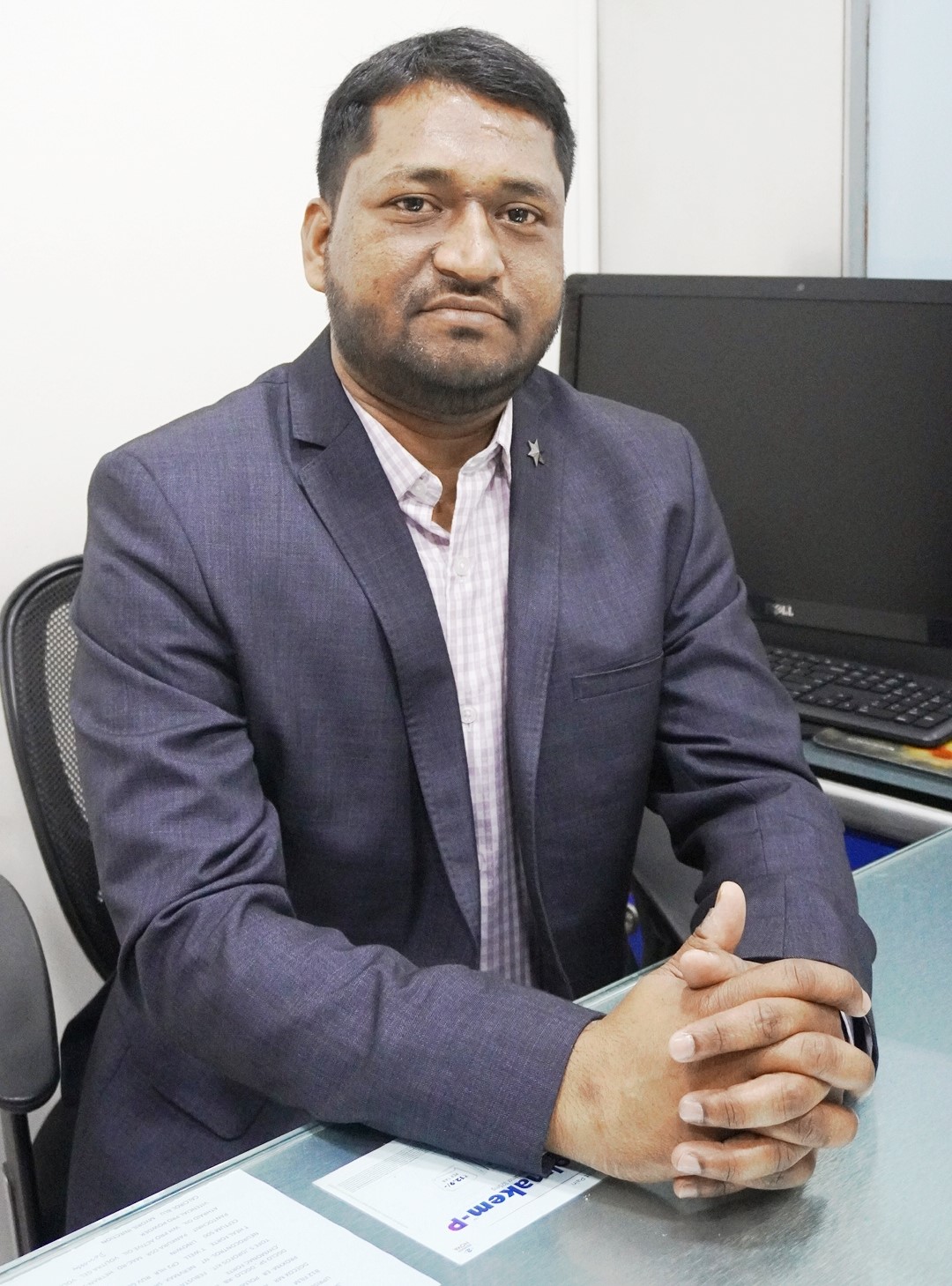
Dr. Nitish Agrawal
Director & Senior Spine Surgeon – Agarwal Spine Clinic, Pune
MBBS, MS (Orthopaedics), Specialized Spine Fellowship. Dedicated to minimally invasive spine surgeries, microscopic discectomies, and conservative spine pain solutions.
Book Consultation
Consult Dr. Nitish Agrawal for spine evaluation.
Book Online Appointment Call +91 8983765040